



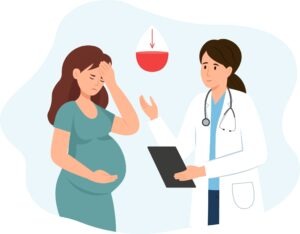
Blood clots in early pregnancy can be caused by minor cervical changes or issues like infection, ectopic pregnancy, or miscarriage. If left unattended, passing blood clots in early pregnancy can cause complications and birthing injuries like stroke, early delivery, or oxygen deprivation.
Doctors and medical professionals must monitor pregnant patients for clots and respond accordingly. If you believe that your doctor negligently failed to diagnose or treat complications from blood clots during pregnancy, you can talk to a birth injury lawyer to discuss options for filing a lawsuit.
Causes of Blood Clots During Early Pregnancy
Blood clots are clumps of blood cells that form when the body releases a clotting agent. Blood clotting is a natural, healthy response to injuries like cuts and lacerations. However, abnormal clots can block blood vessels and arteries, causing issues such as stroke and heart attacks.
The body undergoes enormous changes during pregnancy, making clots more likely. Many causes of blood clots during early pregnancy, such as implantation bleeding, are minor and not a reason for alarm. However, passing blood clots in early pregnancy with pain could indicate a more severe underlying issue, such as:
- Miscarriage: Vaginal bleeding and passing clots are common signs of miscarriage.
- Ectopic pregnancy: Bleeding and clots can also be symptoms of an ectopic pregnancy implanted outside the uterus.
- Infection: Certain infections, like UTIs and STDs, can cause blood clots during pregnancy.
- Molar pregnancy: A molar pregnancy is a condition in which a fertilized egg develops into a tumor rather than a fetus.
- Hematoma: A subchorionic hematoma is a collection of blood that pools between the uterine wall and amniotic sac.
"If your child was born with a birth injury, or cerebral palsy, we can help."
What Kinds of Injuries Can Blood Clots During Pregnancy Cause?
Passing blood clots during pregnancy carries a greater risk as the clots can impact both your and your baby’s health. Clots can travel through the body’s circulation and damage organs and healthy tissue, leading to a wide range of issues:
Pulmonary Embolism
Blood clots can migrate to the lungs and block arteries, causing symptoms like chest pain, shortness of breath, fever, and inflammation. Pulmonary embolisms can be fatal if they are not immediately treated.
Stroke and Heart Attack
Clots can also cause strokes and heart attacks if they move to the heart or lungs. Strokes and heart attacks can cause permanent damage to healthy tissues.
Preclampsia
Preclampsia is characterized by high blood pressure and organ damage, particularly the kidneys. Preclampsia itself can also facilitate the formation of new blood clots by affecting the blood vessel lining.
Early Delivery
Blood clots can also cause premature delivery and low birth weight, which is associated with numerous common birth defects, such as breathing problems, oxygen deprivation, cerebral palsy, and metabolic syndrome.
Abnormal Fetal Development
Blood clots impact oxygen and nutrient flow to the fetus, which can result in developmental abnormalities leading to stillbirths or miscarriage.
Risk Factors for Blood Clots During Pregnancy
Several lifestyle and risk factors can increase the chances of developing and passing blood clots in early pregnancy, which may cause complications:
- Health conditions: Health conditions like thrombophilia or diabetes can cause a raised risk of blood clots during pregnancy.
- Medications: Taking certain medications, like birth control and hormone replacement therapy, can increase clotting factors in the blood.
- Smoking or vaping: Both smoking and vaping can cause increased risk of blood clots and arterial problems during pregnancy.
- Being sedentary: A sedentary lifestyle and remaining immobile for long periods can cause clots to form, especially when on bed rest.
- Dehydration: Being dehydrated can cause blood vessels to narrow and cause arterial walls to thicken, both increasing clotting risks.
"We know first-hand what you are going through."
The Role of Medical Negligence and Injuries from Blood Clots During Pregnancy
Doctors play an important role in monitoring pregnant patients and are supposed to treat blood clot symptoms. If your doctors failed to diagnose blood clots or failed to treat blood clot symptoms, and you or your child was injured, you may be able to file a lawsuit for your losses.
To recover compensation in a lawsuit, you must prove the physician was negligent and violated accepted standards of medical care. For example, if your doctor noticed you had clots but did not provide adequate monitoring, they could be liable for medical negligence during childbirth.
To prove medical negligence, you can obtain expert testimony from a medical professional with similar expertise. A physician can attest as to whether your doctor violated basic standards of care and whether a reasonable physician in the same position would’ve done the same.
"Our Birth Injury Lawyers have recovered over $750+ Million on behalf of our clients."
Contact a Birth Injury Lawyer Today
If you have any further questions about the causes of blood clots during early pregnancy or believe you have been injured due to medical negligence, contact our offices today. An attorney from Birth Injury Lawyers Group can assess your case and explore options for filing a birth injury lawsuit against the responsible parties.
"We are committed to helping families who have suffered medical negligence."